Reducing Glass Breakage During Transportation
Glass transportation is a critical stage in the glass processing and supply chain. Whether transporting raw glass sheets, semi-finished products, or fully processed glass, damage during transportation can lead to increased costs, production delays, and customer complaints. As glass products continue to increase in size and value, reducing breakage during transportation has become an important focus for modern glass factories.
Common Causes of Glass Breakage
One of the most common causes of glass breakage occurs during loading and unloading. Manual handling often results in uneven force distribution, accidental impacts, or unstable positioning. When large or heavy glass panels are handled without proper support, stress can easily concentrate at the edges or corners, increasing the risk of cracks or sudden breakage.
Transportation conditions also play a significant role. Road vibration, sudden braking, and changes in vehicle speed can cause continuous movement of glass panels during transit. Over time, these small movements may lead to edge damage or internal stress fractures, especially when glass is not properly secured or adequately protected.
The Role of Proper Handling Equipment
To reduce breakage, the use of appropriate handling equipment is essential. Mechanical handling solutions, such as vacuum lifters, provide stable and controlled movement during loading and unloading operations. By distributing weight evenly across the glass surface, these systems help minimize localized stress and reduce the likelihood of impact-related damage.
Compared with manual handling, mechanical equipment also improves consistency and workplace safety. Controlled lifting and positioning reduce unexpected movements, making transportation operations more reliable and repeatable.
Importance of Storage and Transportation Systems
Proper storage and transportation systems are equally important in preventing glass damage. Glass panels should be transported using dedicated racks designed to support the glass vertically and evenly. Vertical positioning helps reduce bending stress and maintains overall stability during transit.
Adjustable support points allow different glass sizes to be secured correctly, while protective pads and anti-slip materials help absorb vibration and prevent direct contact between glass sheets. These measures significantly reduce the risk of movement and collision during transportation.
Standardized Procedures and Transportation Management
Establishing standardized operating procedures plays an important role in reducing transportation-related damage. Clear guidelines for handling, positioning, and securing glass ensure consistent practices across different operators and shifts. Proper training helps personnel recognize potential risks and avoid improper handling.
Transportation management should also be carefully considered. Drivers should be aware of load sensitivity and avoid sudden braking or sharp turns. For long-distance transportation, periodic checks of load stability help identify and correct issues before damage occurs.
Conclusion
Reducing glass breakage during transportation requires a comprehensive approach that combines suitable handling equipment, proper storage systems, standardized procedures, and careful transportation management. By addressing these factors together, glass manufacturers can protect product quality, reduce losses, and improve overall delivery reliability.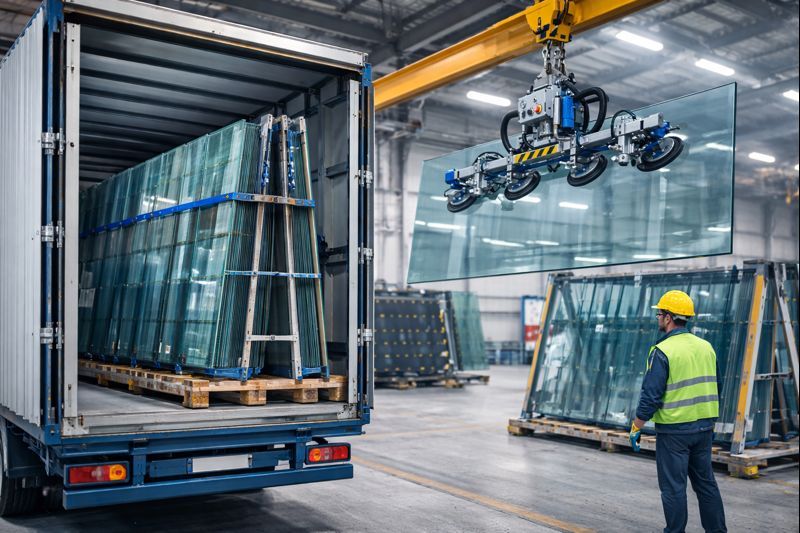
For more glass handling and transportation solutions, please contact us.